Steps to Obtain Spanish Citizenship Easily
Spain is renowned for its vibrant culture, incredible cuisine, and exceptionally high quality of life. For many expats, spending a few years under the Iberian sun is simply not enough; they want to make it permanent. If you are wondering exactly how to become a Spanish citizen, you are taking the first step toward a life-changing decision.
Acquiring citizenship in Spain opens up a world of opportunities. The advantages of holding a Spanish passport are immense: you gain the right to live, work, and study anywhere in the European Union, you can vote in national elections, and you enjoy visa-free or visa-on-arrival access to over 190 countries.
Whether you have been working in Madrid for a decade, recently married a Spaniard, or have historical ties to the country, this comprehensive guide will walk you through the various pathways, requirements, and steps to make your Spanish dream a reality.
The Core Pathways to Citizenship in Spain
The Spanish government offers several distinct routes to naturalization. Understanding which category you fall into is the most crucial part of figuring out how to get Spanish citizenship smoothly.
1. Citizenship by Residency
For the majority of expats, the most common route is through naturalization by residency. The standard rule dictates that you must live in the country legally and continuously for 10 years.
However, meeting the Spanish citizenship by residency requirements involves more than just physically being in the country. You must maintain a continuous legal residency period in Spain. This means you cannot leave the country for more than six consecutive months, and your total time outside of Spain during those 10 years should not exceed limits set by immigration authorities.
Actionable Tip: Keep in mind that time spent on a student visa usually does not count toward your residency years, as it is considered a "stay" rather than a "residence." Conversely, the relatively new digital nomad visa to Spanish citizenship pathway is highly effective. Because the digital nomad visa grants official residence status, every year you hold it counts directly toward your 10-year requirement.
2. Fast-Track Residency Options
Not everyone has to wait a decade. The government offers reduced timelines for specific groups:
- Five Years: For individuals who have obtained refugee status.
- Two Years: There is a fast-track naturalization for Ibero-American citizens, as well as nationals from Andorra, the Philippines, Equatorial Guinea, and Portugal. If you hold a passport from one of these regions, you only need two years of legal residency.
- One Year: If you were born in Spanish territory but did not automatically receive nationality, or if you are a widow/widower of a Spaniard.
3. Citizenship Through Marriage
Love can indeed expedite your immigration journey. Citizenship through marriage in Spain requires just one year of continuous legal residency. To qualify, you must be legally married to a Spanish national for at least one year and be living together in Spain. Simply getting married does not grant you immediate nationality; you must secure your residency permit first and complete the one-year physical residency requirement.
4. Citizenship by Descent and Ancestry
If you have Spanish blood, you might be able to skip the lengthy residency requirements altogether. But how to get Spanish citizenship by descent? The Spanish nationality by descent rules primarily apply if you were born to a Spanish mother or father. Furthermore, recent progressive legislation, such as the "Ley de Memoria Democrática" (Democratic Memory Law), allows grandchildren of Spanish citizens who fled the country during the Civil War or dictatorship to claim a passport.
Historically, there was also a direct path granting Spanish citizenship for Sephardic ancestry. While the main application window for the 2015 Sephardic Law officially closed in 2019, those who initiated their applications before the deadline are still being processed, and there are occasional alternative legal avenues for Sephardic descendants through the two-year residency fast-track.

Permanent Residency vs. Spanish Citizenship
Many expats reach the five-year mark of living in Spain and face a choice: Should they settle for long-term residency, or go all the way to naturalization? When comparing permanent residency vs Spanish citizenship, there are distinct differences. Permanent residency grants you the right to live and work in Spain indefinitely, but you must renew your TIE (Foreigner Identity Card) every five years. You remain a citizen of your home country and cannot vote in Spanish general elections. Furthermore, if you leave Spain for an extended period (usually more than 12 consecutive months), you risk losing your permanent resident status.
Citizenship, on the other hand, is for life. It grants you a Spanish passport, full voting rights, and the freedom to move away from Spain and return decades later without any immigration paperwork.
General Spanish Citizenship Requirements
Once you have identified your pathway and completed your required residency time, you must gather your documentation and prove your integration into Spanish society. The Spanish citizenship requirements are rigorous, but highly manageable if you prepare in advance.
Essential Documentation
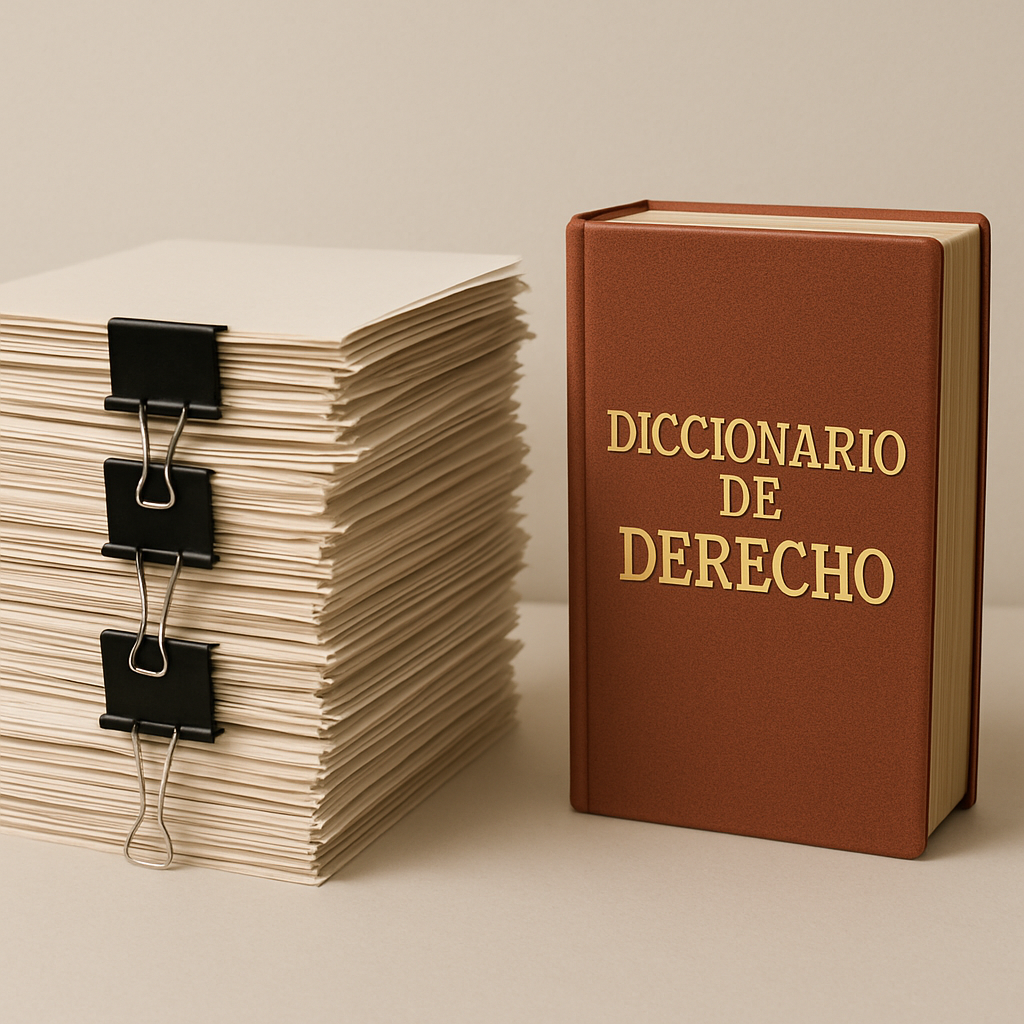
You will need to present a comprehensive dossier of paperwork. Key documents include:
- Your full passport and current residency card (TIE).
- Your birth certificate, translated by a sworn translator and apostilled.
- A valid certificate of census registration (padrón).
- Proof of financial stability (work contracts, bank statements).
- A clean criminal record certificate for Spanish citizenship. This is incredibly important. You must provide a background check from your home country (and any country you lived in previously), properly apostilled and translated. You must also have a clean record within Spain itself.
Language and Cultural Exams
Unless you are a native of a Spanish-speaking country, you must pass two exams administered by the Cervantes Institute to prove your integration.
- Language Test: You must meet the DELE language test requirements by achieving at least an A2 level (upper beginner) in Spanish. This exam tests your reading, writing, listening, and speaking skills.
- Cultural Exam: You must also take the CCSE (Constitutional and Sociocultural Aspects of Spain) exam. If you are wondering how to pass the CCSE exam easily, the best strategy is to download the official Cervantes Institute mobile app. The exam consists of 25 multiple-choice questions drawn from a publicly available pool of 300 questions. Practicing the mock tests on the app a few weeks prior guarantees a high passing rate.
Navigating Dual Citizenship in Spain
One of the most common questions expats ask is regarding dual citizenship Spain. Spain has strict rules about holding multiple nationalities.
As a general rule, when you acquire Spanish nationality, you must formally renounce your previous nationality before a Spanish civil registry judge. However, there are significant exceptions. Thanks to dual nationality agreements with Spain, citizens of Ibero-American countries, Andorra, the Philippines, Equatorial Guinea, and Portugal are allowed to keep their original passports. Spain also recently signed a dual nationality agreement with France.
If you are from the US, the UK, Canada, or Australia, you will be required to sign a document renouncing your home citizenship. Note: While Spain asks you to renounce it, the legal loss of your original citizenship ultimately depends on your home country’s laws. Many countries (like the US) do not recognize an administrative renunciation made to a foreign government, leading to a de facto dual citizenship. However, within Spain's borders, you will be treated solely as a Spanish citizen.
The Application Process: How to Apply for Spanish Citizenship
Ready to take the plunge? Here is a step-by-step breakdown of how to apply for Spanish citizenship.
Step 1: Take the Exams Register for and pass your DELE A2 and CCSE exams. It can take a few weeks to receive your certificates, so do this before starting the paperwork.
Step 2: Gather and Legalize Documents Request your birth certificate and background checks. Ensure they are stamped with the Hague Apostille and translated into Spanish by an official sworn translator (traductor jurado).
Step 3: Submit the Application Online The most efficient way to apply is digitally through the Ministry of Justice’s portal. You will need a digital certificate to do this. Upload all your scanned documents.
Step 4: Pay the Fees The current cost of Spanish nationality application is generally around €104.05 for the government administrative fee. Bear in mind that your overall expenses will be higher when factoring in exam fees (approx. €130 for DELE and €85 for CCSE), translation costs, and potential lawyer fees if you use legal assistance.
Step 5: The Waiting Game Patience is vital here. The processing time for Spanish nationality application varies wildly. Legally, the government has one year to resolve your case, but due to administrative backlogs, it often takes between 12 to 24 months to receive a favorable resolution.
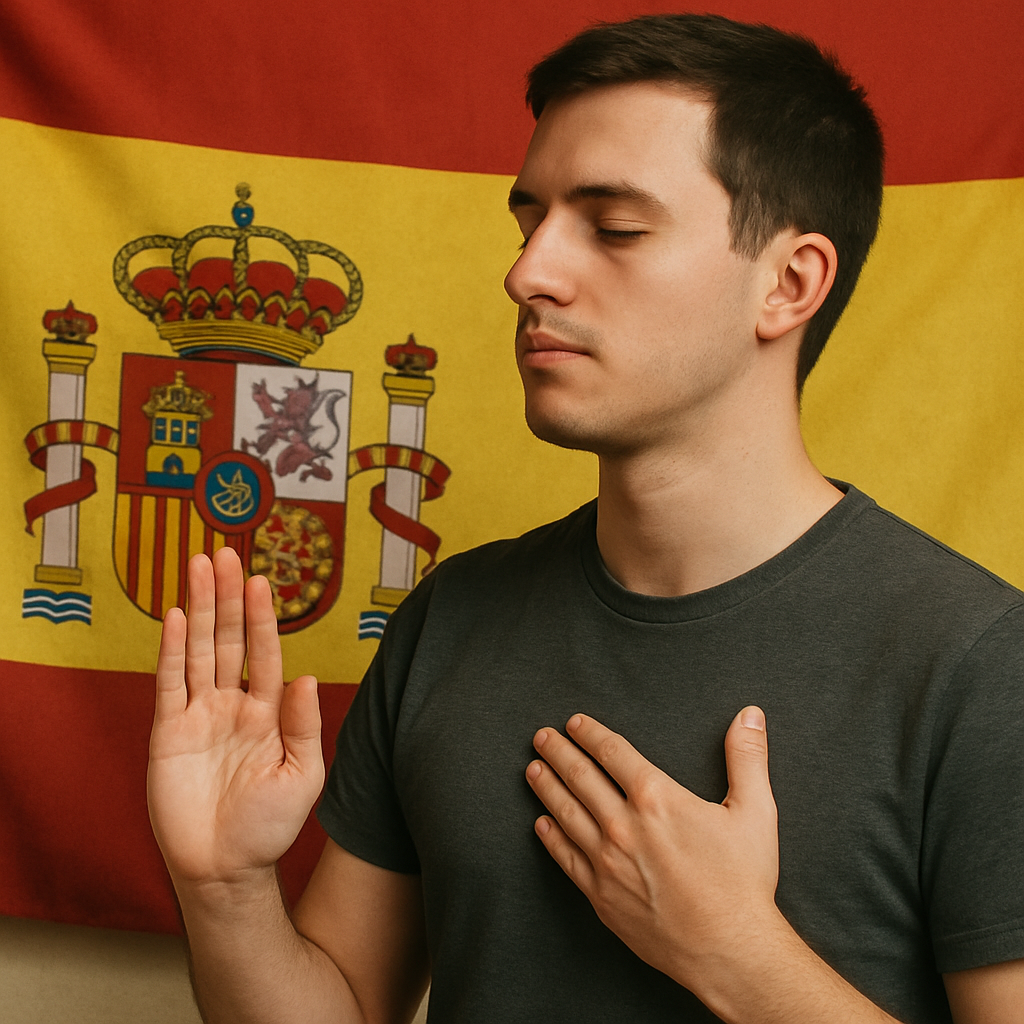
Step 6: The Oath of Allegiance Once approved, you have 180 days to attend a sworn oath ceremony (jura de nacionalidad) at your local Civil Registry or before a notary public. Here, you will swear loyalty to the King and obedience to the Spanish Constitution.
Step 7: Get Your Passport and DNI With your oath completed and your birth registered in the Spanish civil registry, you simply make an appointment at the local police station to be issued your Spanish ID card (DNI) and your brand-new Spanish passport.
Final Thoughts
Navigating the legal intricacies of immigration can feel overwhelming, but learning how to become a Spanish citizen is a straightforward process if you are organized and patient. By understanding your specific pathway—whether through a continuous decade of residency, a marriage, or tracing your ancestry—you can effectively plan your future.
Ensure your documents are impeccably prepared, dedicate time to learning the language to meet the DELE language test requirements, and maintain a clean legal record. The journey requires a bit of bureaucracy, but the reward—a permanent, unshakeable connection to one of Europe’s most beautiful countries—is absolutely worth the effort.